
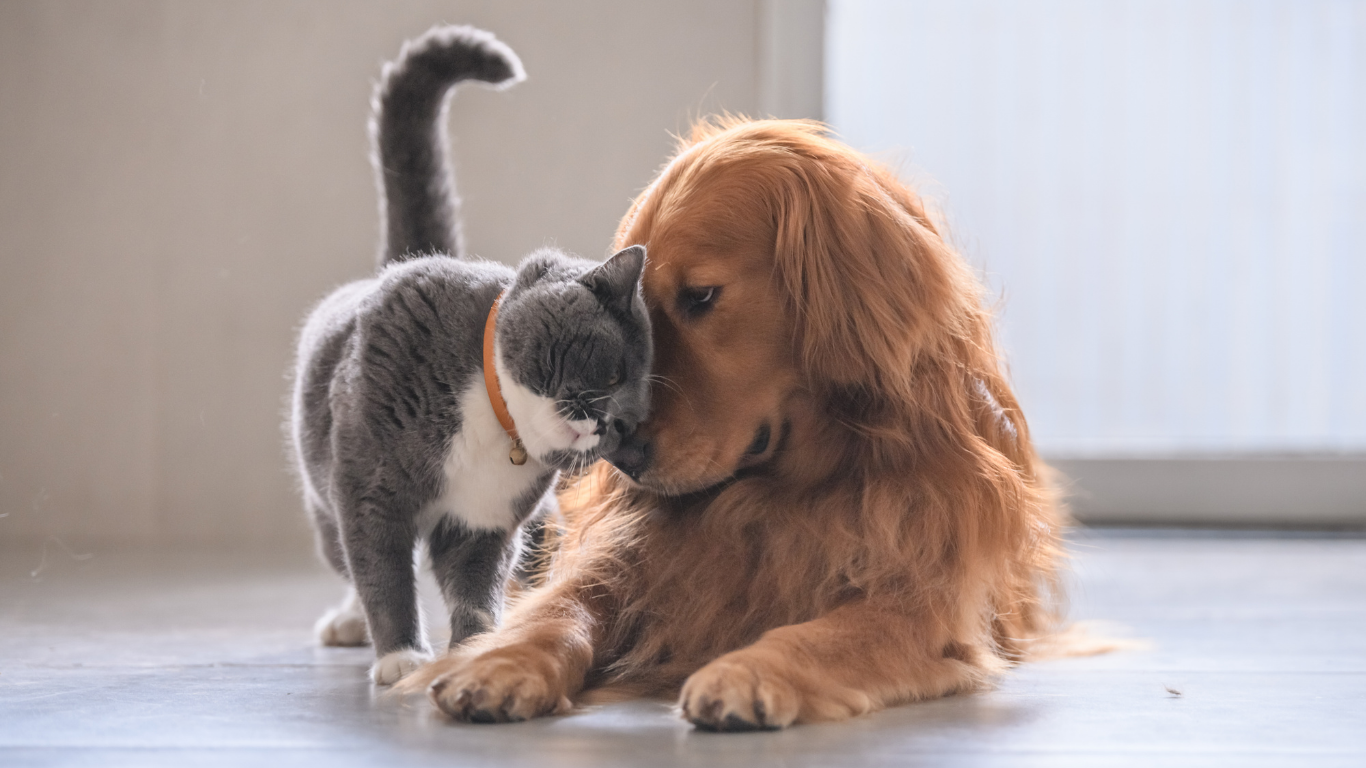
Our pets are such an important part of our families. We want them to be happy, healthy and comfortable, enjoying every moment with us.
As pet owners, one of the things we naturally worry about is cancer. While it can be a difficult subject to think about, understanding the signs and knowing when to seek veterinary advice can help us give our pets the best possible care.
At Highland Health Veterinary Care, we understand just how much your pet means to you. Our team is passionate about helping animals and providing thoughtful, compassionate veterinary care. We believe that recognising concerns early and taking the time to investigate them properly is an important part of supporting your pet's health and quality of life.
What are the signs of cancer in dogs and cats?
Cancer can affect dogs and cats in different ways. Sometimes the signs are easy to spot, while other times they can be quite subtle.
You know your pet better than anyone, so you may be the first to notice when something isn't quite right.
Here are some changes worth looking out for.
New lumps or bumps
One of the most noticeable signs can be a new lump or swelling.
When grooming or stroking your pet, keep an eye out for:
New lumps or bumps under the skin.
Existing lumps that are getting bigger or changing shape.
Swellings that feel different or appear suddenly.
Lumps that become sore, uncomfortable or start bleeding.
Not every lump is cancerous. Many are harmless, but it is always best to have any new or changing lump checked by your vet.
Unexplained weight loss or changes in appetite
If your pet is losing weight without an obvious reason, or isn't as interested in their food as usual, it is worth having them checked.
Other things to look out for include:
Eating less than normal.
Becoming unusually fussy with food.
Losing weight despite eating normally.
Difficulty chewing or swallowing.
Wounds that don't seem to heal
Keep an eye on any sores, wounds or unusual changes to your pet's skin.
Things to look out for include:
Wounds that take a long time to heal.
Persistent sores or skin changes.
Unexplained bleeding.
Areas of swelling or irritation that don't improve.
Changes in behaviour or energy levels
Sometimes the first signs that something isn't right are changes in your pet's everyday behaviour.
You might notice that your dog isn't as excited about their walks, or your cat is spending more time sleeping or hiding away.
Other changes can include:
Sleeping more than usual.
Losing interest in playtime.
Becoming withdrawn or less sociable.
Unusual tiredness or weakness.
Not behaving like their usual selves.
Limping, stiffness or signs of discomfort
If your pet seems uncomfortable or isn't moving as freely as they normally would, it is important to find out why.
Look out for:
Persistent limping.
Difficulty getting up or climbing stairs.
Reluctance to jump or exercise.
Sensitivity when being touched.
Signs of pain without an obvious injury.
Unusual bleeding or discharge
Unexplained bleeding or discharge should always be checked.
This might include:
Blood in your pet's urine or stools.
Unexplained nosebleeds.
Bleeding from the mouth.
Unusual discharge from any part of the body.
Changes in breathing, drinking or toileting
Other signs that something may be wrong include:
A persistent cough.
Difficulty breathing.
Drinking or urinating more than usual.
Difficulty passing urine or stools.
Changes in normal toileting habits.
A little reassurance: These signs don't automatically mean your pet has cancer. Many can be caused by other conditions, some of which are much less serious. However, if you notice something unusual or a change that persists, please get in touch with your vet for advice. If your pet is struggling to breathe, collapses or cannot pass urine, seek urgent veterinary attention.
Why is it important to investigate concerns early?
Finding a lump or noticing a change in your pet can be worrying. It is natural to hope that it will go away on its own, but getting it checked is always the best approach.
Early investigation can help us understand what might be happening and decide whether further tests or treatment are needed.
Depending on your pet's symptoms, we may recommend:
A thorough clinical examination.
Blood or urine tests.
Taking a small sample from a lump or swelling.
Microscopic examination of cells.
Further investigations such as X-rays or ultrasound.
Specialist laboratory testing where appropriate.
Not every lump or unusual symptom will turn out to be cancer. The important thing is understanding what is causing the problem so that we can provide the most appropriate care for your pet.
How we use VETSCAN IMAGYST™ to help investigate lumps and bumps
We are passionate about providing the best possible care for our patients, and having access to modern veterinary technology helps us investigate health concerns and make informed decisions.
At Highland Health Veterinary Care, we have VETSCAN IMAGYST™, an innovative diagnostic system that helps us examine certain samples at a microscopic level.
What is VETSCAN IMAGYST™?
VETSCAN IMAGYST™ combines digital microscopy with artificial intelligence (AI)-assisted analysis and access to specialist veterinary pathologists.
One of its applications, AI Masses, can help analyse samples taken from certain skin and soft tissue lumps.
This can provide valuable information when investigating an unusual lump and deciding what further steps may be needed.
How does it work?
If your pet has a lump that needs investigating, your vet may recommend taking a small sample of cells using a fine needle.
The process can involve:
1. Taking a sample
A small sample of cells is collected from the lump using a fine needle, where appropriate.
2. Preparing the sample
The cells are prepared onto a microscope slide so they can be examined.
3. Digital analysis
The slide is scanned using VETSCAN IMAGYST™ and the system's AI-assisted technology helps analyse the sample.
4. Reviewing the findings
The results can help our veterinary team understand the cells present and consider whether any further investigation is needed. Specialist veterinary pathologist input is also available through the platform.
How can this help your pet?
Having access to this technology gives us another useful way to investigate certain lumps and swellings.
It can help us:
Examine cells from certain lumps and masses.
Gain valuable information to support our investigations.
Access specialist veterinary pathology expertise.
Make more informed decisions about further testing.
Help guide the next steps in your pet's care.
It is important to remember that not every lump can be diagnosed through a needle sample. Some may need further investigation, such as a biopsy and histopathology, to establish a definite diagnosis.
Our aim is to use the diagnostic tools available to us to help understand your pet's condition and provide the most appropriate care.
How can we support your pet if cancer is diagnosed?
We understand that hearing the word cancer can be upsetting. It is a lot to take in, and you may have many questions about what happens next.
Every pet is different, and treatment will depend on the type of cancer, how advanced it is and your pet's general health.
Our team is here to support you, explain the options available and help you make decisions that are right for your pet and your family.
Depending on your pet's individual needs, this may include:
Further investigation and diagnosis
We can help investigate your pet's symptoms, discuss the findings and recommend any additional tests or specialist advice that may be needed.
Treatment and ongoing care
Where appropriate, we can discuss available treatment options and whether referral to a veterinary specialist would be beneficial.
Comfort and quality of life
Your pet's comfort and wellbeing are always important. We can discuss ways to support mobility, manage discomfort and help maintain the best possible quality of life.
Support and guidance for you
We know that caring for a poorly pet can be difficult. We will take the time to answer your questions, explain things clearly and help guide you through the decisions ahead.
We believe in looking at the whole pet, understanding their individual needs and making their comfort and quality of life a priority.
Don't ignore changes
Sometimes it is the smallest changes that tell us something isn't quite right.
Perhaps your dog isn't as keen to go for a walk, your cat has become a little quieter, or you have noticed a small lump while giving them a cuddle.
It is easy to put these changes down to age or a passing problem, but if something feels different, it is worth getting it checked.
You don't need to wait until your pet is showing lots of symptoms or seems unwell. We would always rather you got in touch and had your concerns looked at.
A simple check can provide reassurance, or help us identify something that needs further attention.
Here for you and your pet
At Highland Health Veterinary Care, our passion is helping animals and supporting the people who love them.
We combine a caring, personal approach with modern veterinary facilities and diagnostic technology, including VETSCAN IMAGYST™, to help us investigate health concerns and provide the best possible care for our patients.
If you have noticed a new lump, unexplained weight loss, changes in behaviour or anything else that doesn't seem quite right, please don't hesitate to get in touch.
Our friendly team is here to listen, help and guide you. Contact us today to arrange an appointment or discuss any concerns about your pet's health.